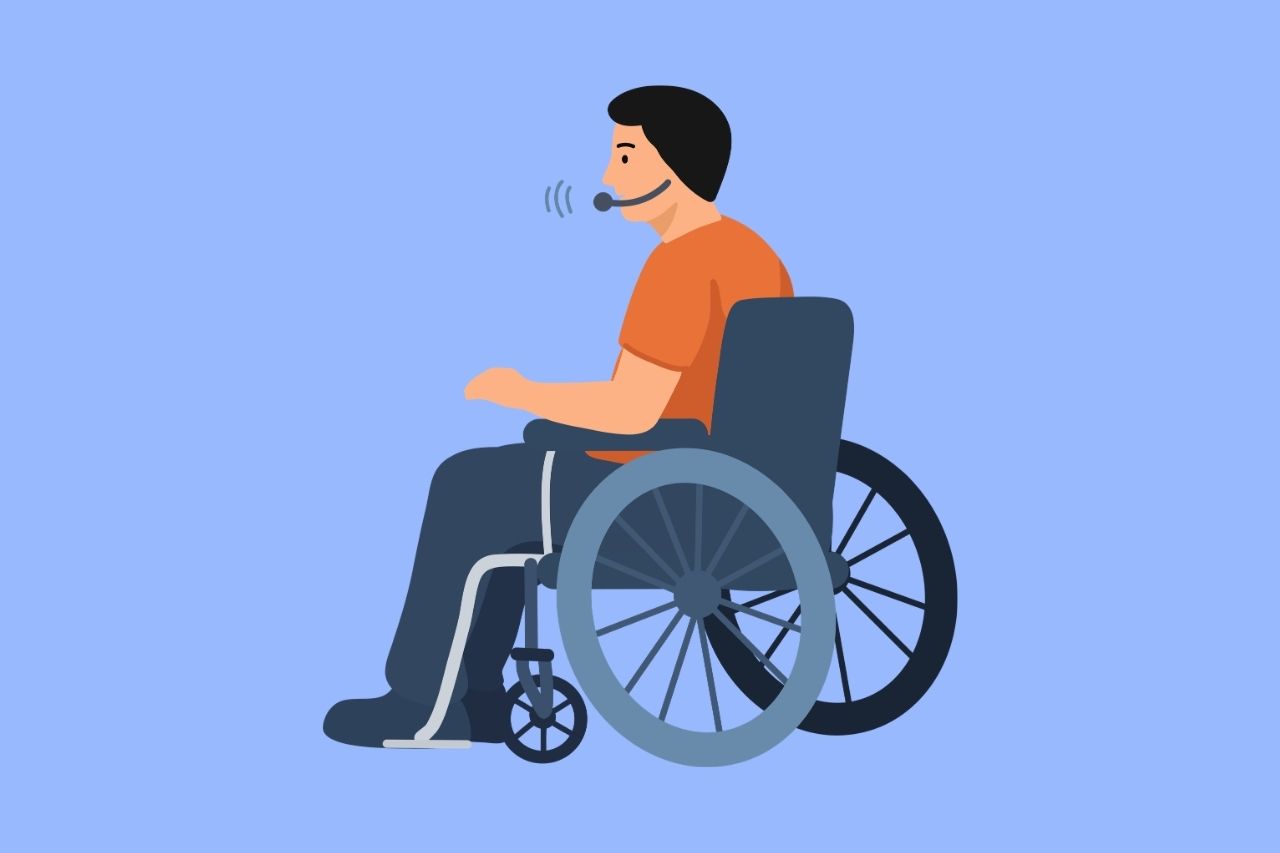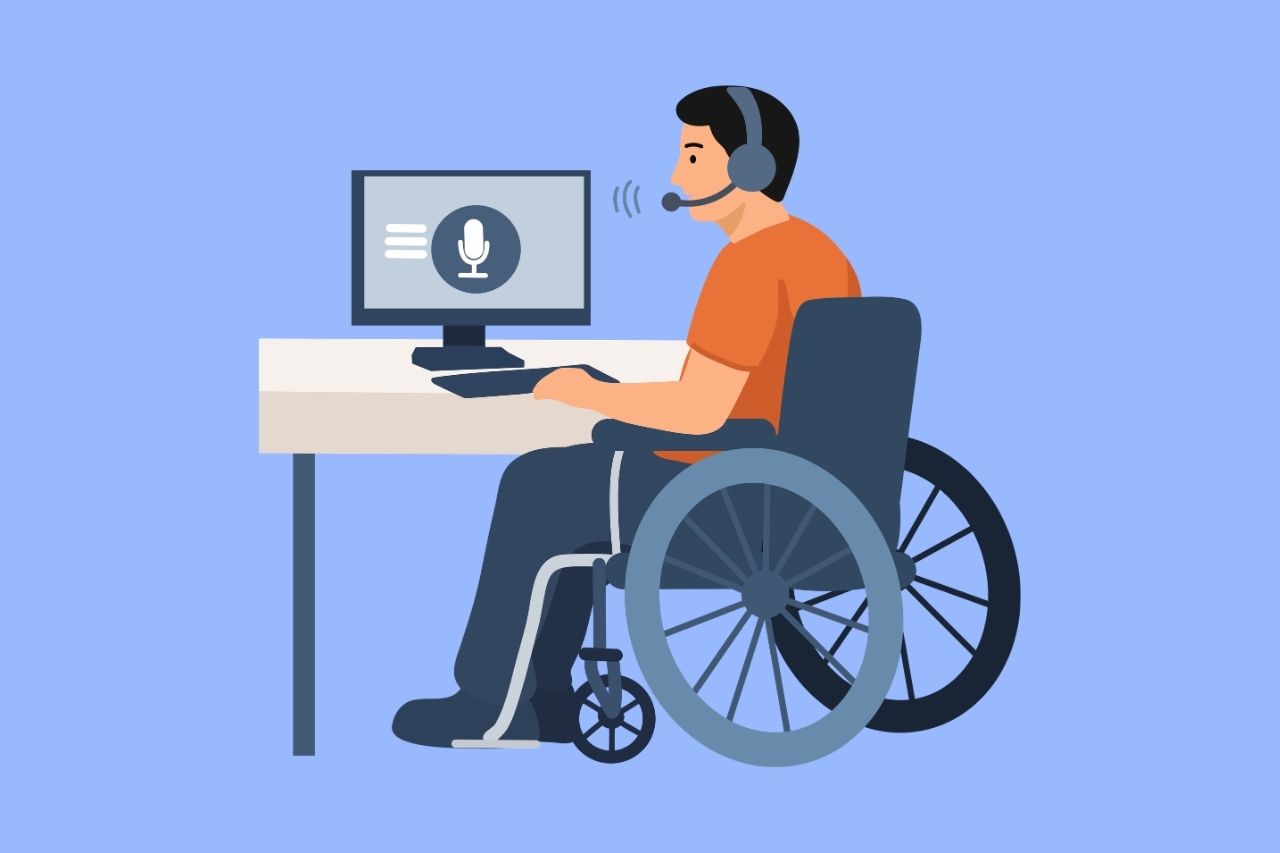
Speech disabilities affect a person’s ability to physically produce spoken language, and they take many forms, from stuttering and apraxia to dysarthria and conditions that result in little or no speech at all. As more websites lean on voice search, voice assistants, and voice-activated support tools, understanding how these disabilities […]
Blog
Understand how to achieve compliance and protect your business. We share web development techniques and all that we’ve learned on the front lines of accessibility.
ADA Title III Explained: What It Means for Website Accessibility
Title III of the Americans with Disabilities Act prohibits discrimination on the basis of disability in places of public accommodation, covering private businesses that serve the public. Enacted as part of the original ADA in 1990, Title III predates the internet as a primary channel for commerce, yet it has […]
ADA Title II Explained: What It Means for Website Accessibility
Title II of the Americans with Disabilities Act prohibits discrimination on the basis of disability by state and local government entities. On April 24, 2024, the Department of Justice’s Civil Rights Division issued a final rule updating Title II specifically to address web content and mobile applications, closing a long-standing […]
Website Accessibility for Visual Disabilities
Visual disabilities are among the most common disability types affecting how people use the web, and they take several distinct forms, including blindness, low vision, and color blindness. Each one changes how a person perceives and interacts with a website, and each requires different accommodations to ensure equal access. Understanding […]
ADA Title I Explained: What It Means for Website Accessibility
Title I of the Americans with Disabilities Act was enacted in 1990 as part of the original ADA and prohibits employment discrimination against qualified individuals with disabilities. It is enforced primarily by the U.S. Equal Employment Opportunity Commission (EEOC) and applies to employers rather than to businesses in their capacity […]
How to Create an Accessible Menu for Website Navigation
For a website to be usable, its navigation has to work for everyone, including people who rely on a keyboard or a screen reader instead of a mouse. An accessible menu is often the first thing these users interact with, and it is also one of the most common accessibility […]
Assistive Technology Market Size & Usage Statistics
Assistive technology (AT) is the umbrella term for the tools people with disabilities rely on to access information and interact with the world, including screen readers, hearing aids, captioning systems, mobility aids, and cognitive support software. For web teams, AT usage data is not an abstract public health topic. It […]
What Is Accessible Web Design and Why Does It Matter?
Accessible web design is the practice of building websites that work for every user, regardless of ability. That includes people who rely on screen readers, keyboard-only navigation, captions, or magnification to interact with digital content. It also benefits users in situational contexts, someone operating a phone with one hand, watching […]
Screen Reader Users Statistics, Market Share and Survey Data
Screen readers are among the most critical tools in digital accessibility. They convert on-screen text, images, and interface elements into synthesized speech, enabling people who are blind, have low vision, or have other print-related disabilities to navigate the web independently. This page compiles the most current screen reader usage statistics. […]
Keyboard Accessibility for Better Website Navigation
Keyboard accessibility allows users to navigate and interact with a website without using a mouse. Many people rely on keyboards because of physical disabilities, temporary injuries, visual impairments, or personal browsing preferences. When websites do not support proper keyboard interaction, users can struggle to access menus, forms, buttons, and other […]