Blog

Understand how to achieve compliance and protect your business. We share web development techniques and all that we’ve learned on the front lines of accessibility.

Website Accessibility for Motor Disabilities

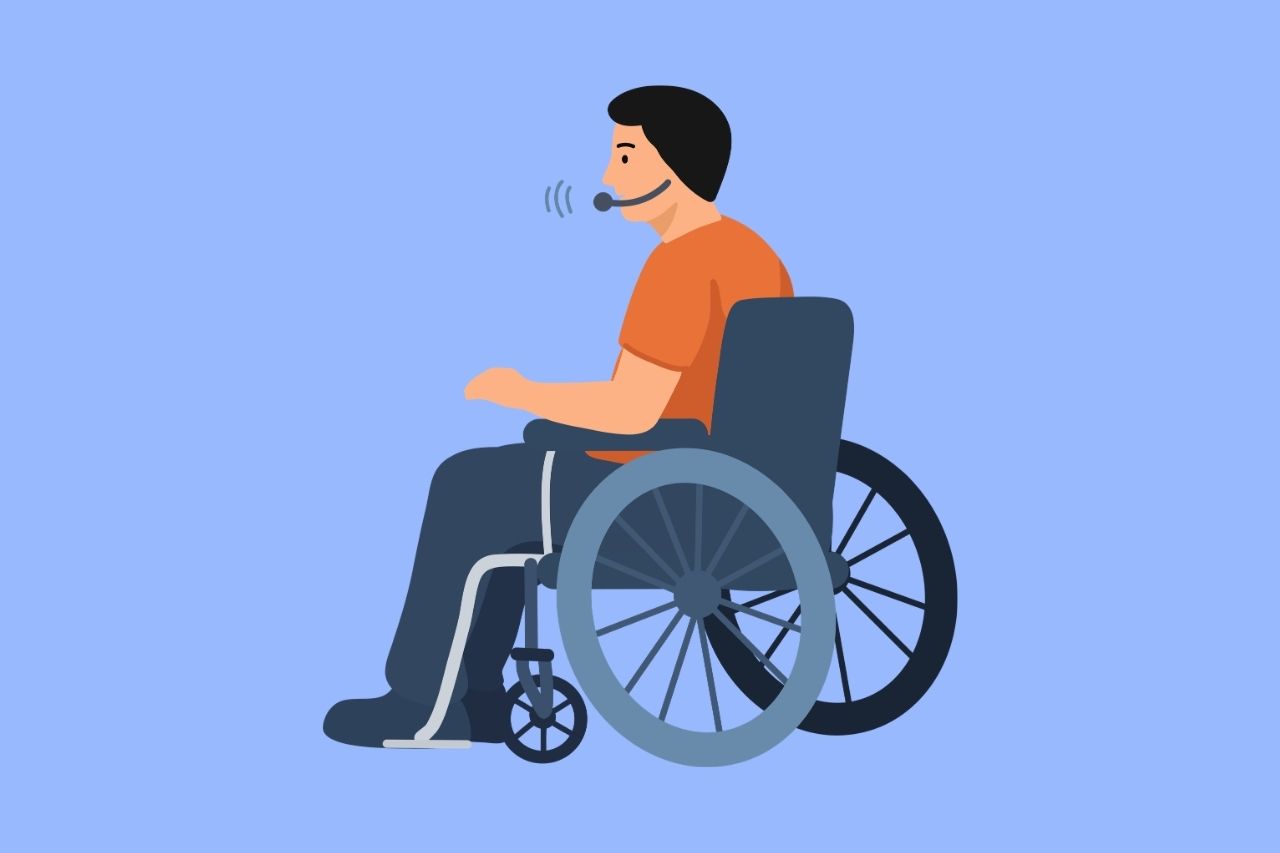
Website Accessibility for Motor Disabilities Illustration of a man in a wheelchair using a headset microphone, representing voice-controlled technology for motor disabilities

Motor disabilities affect a person’s ability to control or coordinate physical movement, and they take many forms, including limited mobility, tremor, paralysis, and reduced use of one hand or side of the body. These conditions can be present from birth or result from injury, illness, or age-related changes. What they […]

21st Century Communications and Video Accessibility Act (CVAA)

21st Century Communications and Video Accessibility Act (CVAA) Illustration of scales of justice, a gavel, a legal document with a seal, and stacked law books, representing legal compliance.

The 21st Century Communications and Video Accessibility Act, signed into law on October 8, 2010, updates federal communications law to ensure people with disabilities have equal access to modern communications technologies and video programming. Unlike the ADA, which is enforced by the Department of Justice, the CVAA is enforced by […]

Section 508 Compliance and Accessibility Standards

Section 508 Compliance and Accessibility Standards Illustration of a tilted scales of justice beside a closed law book, representing legal compliance

Section 508 is a provision of the Rehabilitation Act of 1973 that requires federal agencies to make their information and communication technology accessible to people with disabilities. Unlike ADA Title II and Title III, which apply to government entities and private businesses respectively, Section 508 is a federal procurement and […]

Section 504 of the Rehabilitation Act Explained

Section 504 of the Rehabilitation Act Explained Illustration of balanced scales of justice resting on a closed law book, representing legal compliance.

Section 504 of the Rehabilitation Act of 1973 prohibits disability discrimination by any organization that receives federal financial assistance. Unlike Section 508, which applies to federal agencies themselves, Section 504 reaches a much broader set of organizations, since federal funding flows to thousands of schools, hospitals, and human services agencies […]

Canada Accessibility Law and Website Accessibility Requirements

Canada Accessibility Law and Website Accessibility Requirements Illustration of law books, a legal scale, a gavel, and a legal document, representing Canadian accessibility legislation

Canada’s accessibility laws work differently than the ADA in the United States. The Accessible Canada Act (ACA) sets federal requirements for organizations under federal jurisdiction, while provinces like Ontario, Manitoba, and Nova Scotia have their own separate accessibility laws that apply to a much broader range of businesses. Understanding which […]

Website Accessibility for Users with Speech Disabilities

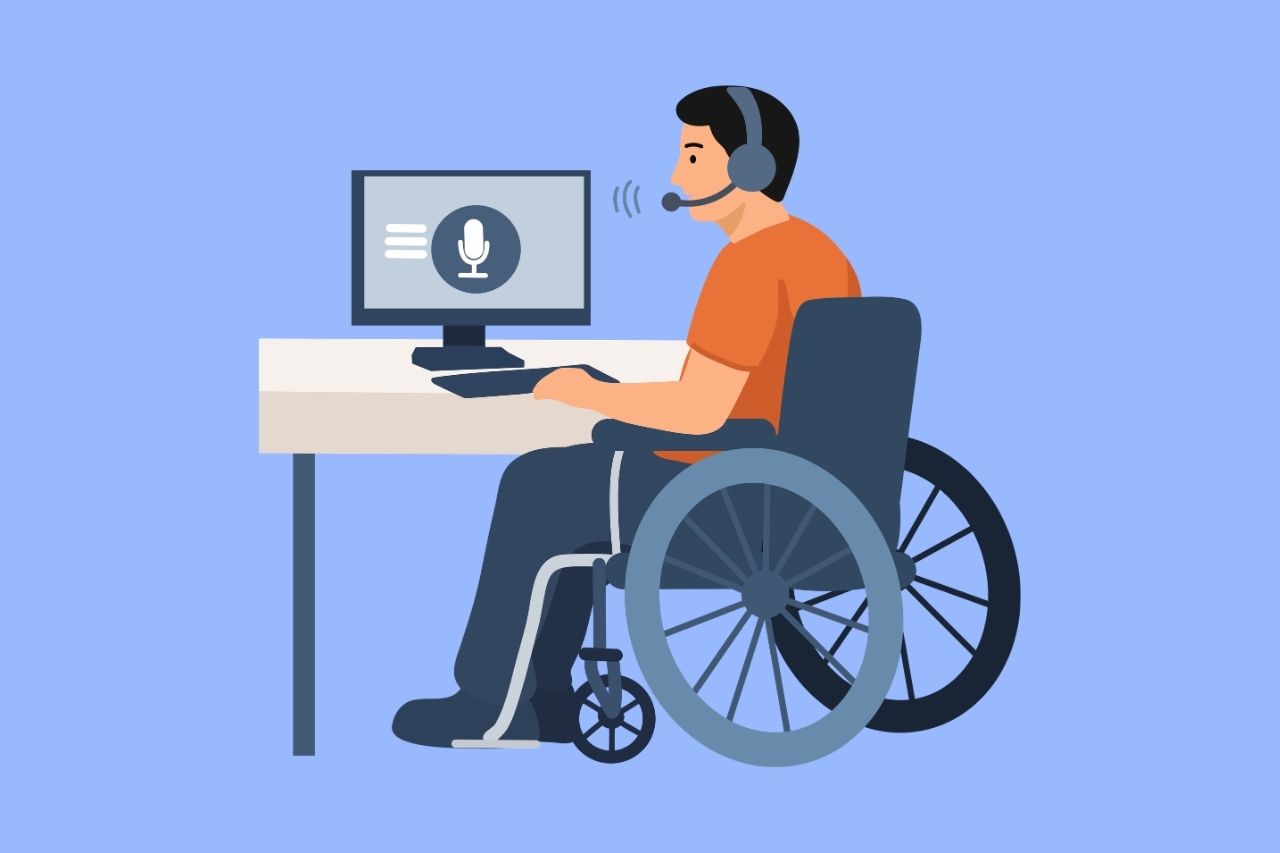
Website Accessibility for Users with Speech Disabilities Illustration of a man in a wheelchair using a headset microphone to communicate with a computer showing a voice input icon on screen

Speech disabilities affect a person’s ability to physically produce spoken language, and they take many forms, from stuttering and apraxia to dysarthria and conditions that result in little or no speech at all. As more websites lean on voice search, voice assistants, and voice-activated support tools, understanding how these disabilities […]

ADA Title III Explained: What It Means for Website Accessibility

ADA Title III Explained: What It Means for Website Accessibility Illustration of a scales of justice symbol on a shelf between rows of law books, representing legal regulations.

Title III of the Americans with Disabilities Act prohibits discrimination on the basis of disability in places of public accommodation, covering private businesses that serve the public. Enacted as part of the original ADA in 1990, Title III predates the internet as a primary channel for commerce, yet it has […]

ADA Title II Explained: What It Means for Website Accessibility

ADA Title II Explained: What It Means for Website Accessibility Illustration of a gavel, a signed legal document, a pen, and stacked law books representing legal regulations and compliance

Title II of the Americans with Disabilities Act prohibits discrimination on the basis of disability by state and local government entities. On April 24, 2024, the Department of Justice’s Civil Rights Division issued a final rule updating Title II specifically to address web content and mobile applications, closing a long-standing […]

Website Accessibility for Visual Disabilities

Website Accessibility for Visual Disabilities Illustration of two people examining a smartphone screen with a magnifying glass, surrounded by a gear icon and abstract shapes representing website review and accessibility testing.

Visual disabilities are among the most common disability types affecting how people use the web, and they take several distinct forms, including blindness, low vision, and color blindness. Each one changes how a person perceives and interacts with a website, and each requires different accommodations to ensure equal access. Understanding […]

ADA Title I Explained: What It Means for Website Accessibility

ADA Title I Explained: What It Means for Website Accessibility Illustration of scales of justice, a gavel, law books, and a legal document representing ADA employment law.

Title I of the Americans with Disabilities Act was enacted in 1990 as part of the original ADA and prohibits employment discrimination against qualified individuals with disabilities. It is enforced primarily by the U.S. Equal Employment Opportunity Commission (EEOC) and applies to employers rather than to businesses in their capacity […]