
Accessibility for Manitobans Act (AMA) Website Compliance Requirements

The Accessibility for Manitobans Act (AMA) is Manitoba’s provincial accessibility law, and it now applies to every organization in the province with one or more employees. Its Accessible Information and Communication Standard sets WCAG 2.1 Level AA as the benchmark for websites and web applications.The AMA is one of several Canadian accessibility laws that turn digital accessibility into a legal obligation.
For web managers, compliance officers, and organizations operating on both sides of the Canada-US border, the AMA deserves close attention. Below is what the law requires, who it covers, and how to meet its website rules.
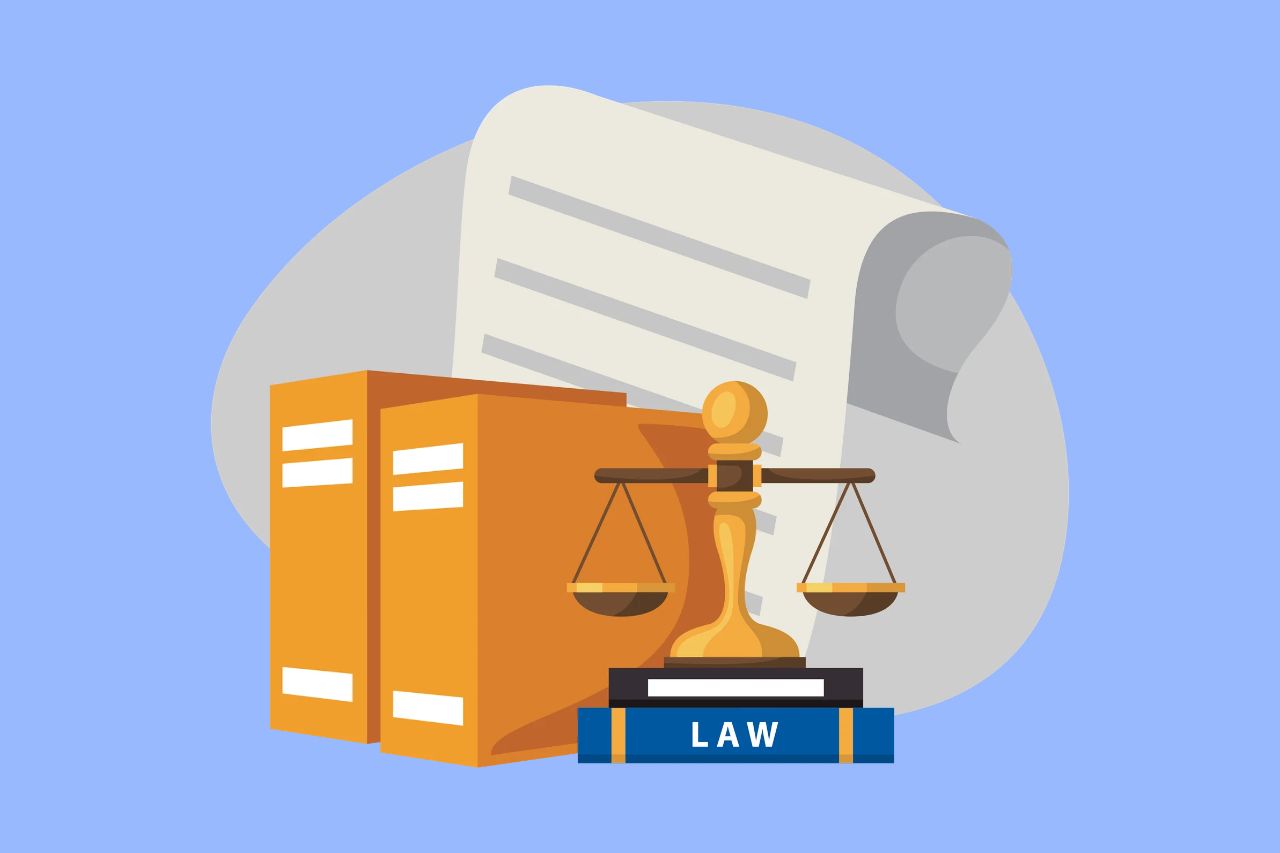
What Is the Accessibility for Manitobans Act?
Manitoba passed the Accessibility for Manitobans Act in December 2013 to identify, prevent, and remove barriers that affect people with disabilities. Rather than listing every rule in the statute itself, the Manitoba Accessibility Act, as it is often called, works through regulated standards, each covering a key area of daily life.
The Accessibility Advisory Council recommends new standards and reviews existing ones every five years.
The Five AMA Accessibility Standards
The Act organizes Manitoba accessibility standards into five areas:
- The Accessible Customer Service Standard: in force since 2015.
- The Accessible Employment Standard: in force since 2019.
- The Accessible Information and Communication Standard: in force since 2022, covering websites, digital documents, and printed materials.
- The Accessible Transportation Standard: registered in 2023, taking effect on January 1, 2027.
- The Accessible Design of Outdoor Public Spaces Standard: still in development.
Who Must Comply With the AMA?
The Information and Communication Standard applies to every organization in Manitoba with one or more employees in Manitoba. That includes the Manitoba government and public sector bodies such as municipalities, school divisions, universities, and health authorities. Private businesses and nonprofits are covered too, from shops and restaurants to professional services firms, charities, and community organizations.
Organizations with 50 or more employees carry extra duties, as do the government, health authorities, cities, educational institutions, and libraries. They must document their accessibility and training policies and make them publicly available.
For US companies, the deciding factor is operating in Manitoba. If your organization does, the AMA belongs on your compliance checklist alongside the ADA.
What Does the AMA Require for Websites?
Under the AMA, two kinds of web content must meet or exceed WCAG 2.1 Level AA: content people need to access your goods and services, and any content published after the standard applies to you. New web applications and those receiving a significant update, meaning one that changes their functionality, user base, or purpose, must meet the same level.
Web Content and Web Applications
The requirement covers more than new pages. Older content must also meet WCAG 2.1 Level AA if visitors need it to reach your goods and services. For public sector organizations other than small municipalities, the rules extend to intranets as well. Our breakdown of WCAG 2.1 success criteria explains what each guideline asks of your site.
Accessible Formats and Documents
Organizations must tell the public that information is available in accessible formats and through communication support on request. Formats include large print, audio, accessible electronic files, and braille, provided in a timely way and at no extra cost to the person asking.
PDFs posted online are a common gap. Many organizations rely on PDF remediation for Canadian organizations to keep documents usable with screen readers.
Exceptions
The web requirements do not apply when meeting WCAG 2.1 Level AA is not technically feasible, when the required technology is not readily available, or when it would cause undue hardship. Content you don’t directly control, and product labels or other product information, are also exempt. These exceptions are narrow, so document your reasoning whenever you rely on one.
Other Information and Communication Requirements
Beyond the website, the standard requires a process for receiving and responding to accessibility feedback. You must document the actions you take in response and share that record on request.
Training is also mandatory. It applies to employees, agents, and volunteers who communicate with the public, and to anyone who builds web content, procures technology, or develops accessibility policies. Manitoba accessibility training must cover barrier removal, accessible formats, The Human Rights Code, the Act, and the standard itself. Structured accessibility training for your team helps meet that requirement.
AMA Compliance Deadlines
The Information and Communication Standard was phased in by sector. Manitoba government departments had to comply by May 1, 2023. Government agencies, health authorities, Winnipeg and other cities, educational institutions, and libraries followed on May 1, 2024. The final phase, covering private businesses, nonprofits, and all other organizations, took effect on May 1, 2025. Every organization with one or more employees in Manitoba is now expected to comply.
Public sector bodies must also prepare and publish accessibility plans. Under a 2026 amendment to the Act, they now prepare plans for set periods through 2031, then every four years starting in 2032.
What Happens If You Don’t Comply?
The Accessibility for Manitobans Act gives the Accessibility Compliance Secretariat power to audit organizations and issue compliance orders. Ignoring an order can lead to administrative penalties, and court fines for offences reach up to $250,000. Administrative penalties require a supporting regulation, and Manitoba released a draft Orders and Administrative Penalties Regulation for consultation in December 2025. It proposes $2,500 for a first failure to comply and $5,000 for a second, but has not yet taken effect.
Directors and officers who allow an offence can also be charged personally, and the government may publish details of orders and penalties. With enforcement tools taking shape, organizations that close gaps now face less risk later.
How to Meet AMA Website Requirements
Start with a manual accessibility audit of your site against WCAG 2.1 Level AA. Testing with screen readers and keyboard navigation catches the barriers that matter most to real users, including issues automated scans miss. Our website accessibility testing follows this manual approach.
Next, fix the highest-impact issues, beginning with the pages and forms people use to reach your services. Then put written policies in place, train your staff, set up a feedback channel, and test new content before it goes live. Building to WCAG 2.2 Level AA may also prepare your site for future updates to the standard.
Frequently Asked Questions
Does the Accessibility for Manitobans Act apply to US companies?
It can. The Information and Communication Standard applies to organizations in Manitoba with one or more employees in Manitoba, so a US company with employees in the province is likely covered. A company that only sells to Manitobans from outside the province should confirm its status with legal counsel.
Does the AMA require WCAG 2.2?
No. The AMA currently requires WCAG 2.1 Level AA as the minimum for web content and web applications. Because WCAG 2.2 builds on 2.1, meeting WCAG 2.2 Level AA also satisfies the current rule and prepares your site for the standard’s first five-year review, due by 2027.
Are PDFs on a website covered by the AMA?
In most cases, yes. Documents posted on your website are generally treated as part of your web content, so they should meet WCAG 2.1 Level AA when people need them to access your services. You must also provide accessible versions of other information on request.
Is an accessibility audit required to prove AMA compliance?
The AMA does not specifically require an audit. However, a documented manual audit is the most reliable way to show your website meets WCAG 2.1 Level AA if the Accessibility Compliance Secretariat reviews your organization.

Contact Us
Please complete all fields.
Recent Posts
Accessibility for Manitobans Act (AMA) Website Compliance Requirements
The Accessibility for Manitobans Act (AMA) is Manitoba’s provincial accessibility law, and it now applies to every organization in the province with one or more employees. Its Accessible Information and Communication Standard sets WCAG 2.1 Level AA as the benchmark for websites and web applications.The AMA is one of several […]

AI Image Descriptions vs. Alt Text: Can AI Replace Human-Written Alt Text
AI alt text tools can describe almost any image in seconds. For teams with thousands of undescribed images, that speed is tempting. The compliance question is whether AI image descriptions actually do the job alt text is meant to do. The short answer is no, not on their own. AI […]
Website Accessibility for Temporary Disabilities
A website has to keep working when a user is limited for hours, days, or weeks. Someone recovering from surgery, squinting through dilated eyes after an exam, or holding a child in one arm still needs to check out, log in, or book an appointment. If the site fails them […]